Lucky St. Patrick’s Day Top Hat Embroidery Design Review
What Works Best: Product Compatibility and Visual Impact
When evaluating how Lucky St. Patrick’s Day Top Hat Embroidery Design performs on different items, it shines most brightly on tote bag designs, apron embroidery, and embroidered patches. These are staple products at any handmade market or Etsy seller booth, and this design brings a touch of charm and craftsmanship that elevates their appeal.
- Tote Bags: A large placement on a canvas or cotton tote makes it a standout piece. The texture of the hat really shows through on natural fabrics, creating a visual anchor for your booth display.
- Aprons: Placed near the pocket or centered on the front panel, the design adds a subtle but festive flair. It’s especially eye-catching when paired with other St. Patrick’s Day-themed accents.
- Tea Towels: The embroidered patch version works well here, especially if you use high-contrast thread colors. The hat becomes a decorative element without overwhelming the kitchen aesthetic.
- Fabric Pouches & Pillow Covers: Smaller versions of the design function as elegant accents. They add character to simple shapes and help differentiate your handmade product from mass-produced alternatives.
- Caps: For curved surfaces like baseball caps or felt hats, the shape of the top hat fits naturally. However, be sure to test stitch density and fabric thickness to avoid distortion.
Design Assets That Sell
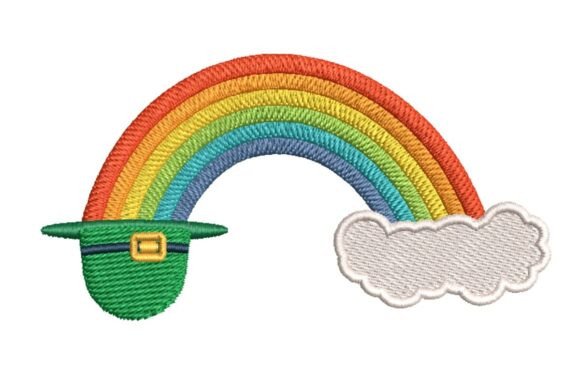
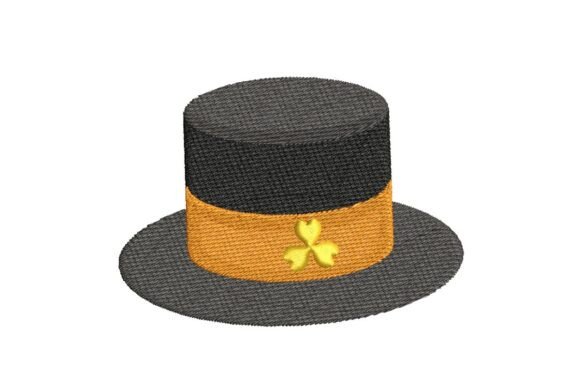
One of the key strengths of this machine embroidery design is its clarity. It doesn’t rely on tiny lettering or intricate details that might get lost in production. Instead, the bold lines and defined textures make it easy to recognize from a distance—ideal for catching the attention of passersby at a crowded craft fair.
The design photographs well, too. Whether you're using a printable mockup for your Etsy listing or snapping photos of finished products, the contrast between the hat and its background ensures visibility. This is crucial for digital sellers who rely heavily on online imagery to attract buyers.
Practical Production Considerations
Before jumping into batch production, there are several practical aspects to consider. First, test the design on scrap fabric to see how it reacts to your specific machine settings. Stitch density can vary depending on the hoop size and stabilizer used, so take time to adjust accordingly.
If you plan to offer this as a commercial embroidery product, confirm whether the digital embroidery file comes with appropriate licensing. Many designers sell files under personal-use only terms, which could limit your ability to scale up sales. Always double-check those details before turning it into a line of small shop products.
Test Before You Invest
- Create a real mockup on a tote bag or apron to evaluate how the design interacts with fabric texture.
- Compare thread colors against different fabric shades. Darker fabrics may mute the contrast, while lighter ones can highlight the detail better.
- Review spacing within the design. If it's meant for small placements, ensure it maintains legibility and visual strength even when scaled down.
How to Make It Work for Your Brand
This design has strong brand potential. Its clean lines and structured silhouette lend themselves to farmhouse, rustic, and even luxury-style embroidery collections. As a St. Patrick’s Day-themed asset, it can be part of a seasonal lineup that includes shamrocks, clovers, or lucky sayings, helping you maintain brand consistency throughout the year.
Use it as a focal point in your booth samples. A large embroidered market bag or a set of three-toned pillow covers with the same design will draw customer engagement quickly. People love seeing cohesive themes in handmade products—they trust the quality and intention behind them.
Booth Display Tips
- Pair it with other St. Patrick’s Day items in muted tones to create a curated look.
- Use it as a repeating motif on tea towels or small pouches to show off its versatility and build interest.
- Consider adding metallic or variegated threads to the hat brim for extra sparkle—perfect for weekend fairs and gift markets.
- Dense Stitch Areas: The textured rendering of the hat means there may be areas with heavier stitching. Use a tear-away or cut-away stabilizer to prevent puckering, especially on stretchy or thin materials.
- Dark Fabric: While the description mentions dark grey or black, always check how thread colors appear on the fabric you choose. Some thread colors may fade or blend on very dark backgrounds.
- Curved Surfaces: When applying the design to caps or curved pouches, make sure the shape remains proportional and the stitches don’t distort due to fabric tension.
- Smaller Sizes: If you intend to use the design as a small accent (like on a button or patch), test it at various sizes to ensure the hat remains recognizable and impactful.
Things to Watch Out For
Thread Colors and Fabric Texture
Because the design is described as having a “contrasting t” (likely green or gold), it's important to match your thread colors carefully. The right color choice can transform a simple top hat into a luxurious or whimsical accessory. Also, the fabric texture plays a big role—thick, woven materials will showcase the design’s structure better than ultra-soft knits.
Final Thoughts: A Booth-Worthy Design
In my experience, successful craft fair products combine visual appeal with practicality. The Lucky St. Patrick’s Day Top Hat Embroidery Design hits both marks. It looks good in person, photographs well for Etsy listings, and offers flexibility in application. Whether you're an embroidery business owner or a boutique maker, this design is worth considering for your next collection.
By focusing on larger, high-quality placements and ensuring proper stitch settings, you’ll maximize its impact. And because it’s repeatable and consistent across products, it's a solid choice for building a themed line of handmade gifts or commercial embroidery offerings.
Just remember to do your homework: check the hoop size, review the stitch count, and confirm the license type. With these steps in place, you'll have a design that not only sells but also reinforces your brand’s commitment to quality and creativity.